Study time doesn’t need to feel rushed or rigid. When learning is supported by the right rhythm, environment, and sensory details, focus becomes something to look forward to, rather than dread.
This approach to study time is about creating a space that feels peaceful, motivating, and doable.
First, Keep Study Times Age (and Ability) Appropriate
Attention grows with age, and brains learn best when focus is balanced with regular breaks. Here are suggestion times based on age, but finding a good workflow is personal. The idea is to have intentional focused sessions followed by movement or rest to help information stick and prevent burnout.
Ages 5–7
- Focus Time: 10-15 min
- Break Time: 5-10 min
Ages 8-10
Focus Time: 15-25 min
Break Time: 5-10 min
Ages 11-13
Focus Time: 25-30 min
Break Time: 5-10 min
Teens
Focus Time: 25-60 min
Break Time: 5-15 min
Adults
Focus Time: 25-90 min
Break Time: 5-30 min

Give the Pomodoro Method a Try
Set the mood.
Timed focus sessions can work beautifully when paired with calm visuals and comforting sound. A gentle ambience helps signal the brain that it’s time to settle in and focus.
Video Suggestions
Look for Pomodoro videos that feel calm and peaceful to you. Quiet ambient sounds, instrumental music, or soft lo-fi tracks tend to work especially well. A few ideas to try:
- Library or Reading Nook
- Coffee Shop or Cottage Kitchen
- Garden or Forest
- Cozy Cabin or Rainy Porch
For a fresh way to start the new year, try our latest Pomodoro ambience video, “The Smoothie Shop.” It features 25-minute focus sessions with 5-minute breaks, perfect for calm, focused learning with a fresh, wellness-inspired feel.
Track Progress in a Visual, Encouraging Way
Instead of emphasizing goals, focus on systems-small, repeatable habits that make study time feel steady and doable.
Simple tracking ideas:
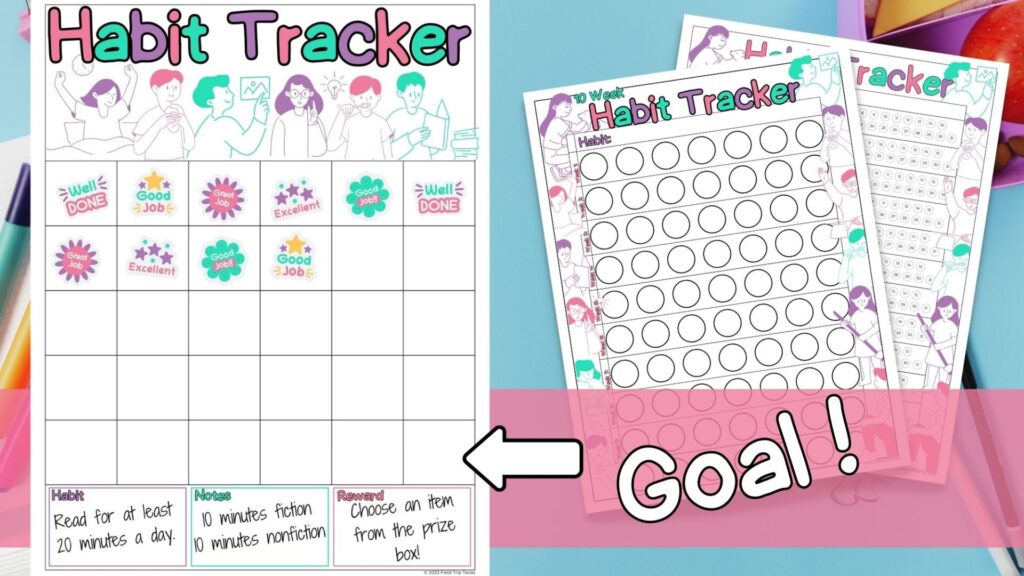
- Track consistency with colorful habit trackers or sticker charts
- Attach study time to an existing routine (for example, begin a study session after a morning walk or alongside a daily cup of tea)
- Treat yourself to small, meaningful rewards for showing up consistently
Track consistency with colorful habit trackers or sticker charts
Progress should feel satisfying, not stressful
Support Focus with Brain-Boosting Snacks & Hydration
Fuel matters. Balanced snacks and beverages support mood, memory, and attention.
Snack ideas:
- Apple slices with nut butter
- Cheese
- Yogurt and berries
- Hard-boiled eggs
A few squares of dark chocolate
Focus-friendly drinks:
- Water with lemon
- Herbal teas like peppermint or chamomile
- Sipping broth
Keep sugar light before study time to avoid energy crashes.

Choose a Scent for Study Time
Small sensory cues can gently signal the brain that it’s time to focus. Using the same scent each time you begin a study session can help create a familiar, calming routine that supports attention.
Scent suggestions:
- Peppermint or lemon for alertness and clarity
- Lavender for calming anxious or easily overwhelmed learners
Use diffusers, room sprays, or even scented pencils, keeping the scent subtle. Choose clean, natural options when possible to avoid introducing unnecessary chemicals into the air.
Utilize Tactile Tools for Thinking
Tactile Tools for Focus
For many people having something to keep the hands busy while reading, listening, or thinking can increase focus, and reduce distraction.
Tactile objects that may help:
- Stress balls or therapy putty
- Smooth stones or textured rings
- Simple fidget toys

Create a Study Space That Invites Focus
Aesthetics matter more than we often realize—our brains naturally respond to visual calm.
Simple ways to support focus:
- A clean, uncluttered workspace
- Warm or natural lighting (desk lamps are often gentler than overhead lights)
- A comfortable place to work—whether that’s a desk, a cozy nook, or even outdoors
When using a computer, position the monitor at eye level or slightly below to support comfortable posture and reduce strain.
Bonus: Add a small plant or natural element to bring in a sense of calm and connection.
Fun Brain Breaks (That Won’t Derail You)
Short breaks are meant to refresh the brain, not fully switch it off. The goal is to move, reset, and return to study time feeling clearer and more energized.
Ideas for short breaks:
- Step outside for a short walk, a quick garden task, or a game of catch
- Do a few stretches or search “brain breaks” on YouTube for fun, silly movement games
- Tidy your workspace and refill your water or tea
- Check off one small, simple task on your to-do list
A Helpful Rule of Thumb
If it calms or gently energizes you, it’s a good break.
If it pulls you in or feels rushed, save it for after study time.
Short breaks work best when they feel intentional, simple, and easy to step away from.

A Final Note
Study time doesn’t have to look the same every day. Try what works, adjust as needed, and let the rhythm evolve. With a little consistency and plenty of grace, study time can become a light, grounding part of the day you actually look forward to.